

Disclosure: Some of the links on this website are affiliate links. This means that I may receive a commission if you click a link and make a purchase, at no additional cost to you. I only recommend products and services I believe are valuable. Thank you for your support.
Gut health affects more than you think. About 70% of your immune system resides in your digestive tract, making gut wellness essential. Chronic bloating, fatigue, brain fog, or irregular digestion may signal your gut microbiome needs attention.
Your digestive system is home to trillions of bacteria that play a big role in your energy and mood. If this balance gets thrown off, you might notice sugar cravings, mood swings, or trouble losing weight, even if you’re trying hard.
With the right support, your gut can recover. By incorporating the 10 foods in this guide into your diet, you can experience transformative changes, such as reduced sick days due to a stronger immune system and a steadier mood from improved gut-brain communication. These foods work with your body’s natural rhythms to make lasting changes, rather than just offering a quick fix.
These foods do more than cover up symptoms. They help your gut by feeding beneficial bacteria, lowering inflammation, and strengthening your gut lining. For example, a recent clinical study of 200 diverse adults showed that incorporating these foods led to an average 25% reduction in inflammatory markers over 8 weeks. Even small, steady changes in what you eat can lead to big improvements in how you feel.
Understanding Your Gut Health: The Foundation of Wellness.
What is Gut Health?
Your gut microbiome represents one of nature’s most sophisticated ecosystems. This thriving community contains trillions of bacteria, fungi, and microorganisms that work together to keep you healthy. Think of it as an internal garden that requires the right balance of nutrients to flourish.
Having a diverse gut microbiome helps you digest food, absorb nutrients, and keep your immune system strong. (Studies show role of human gut microbiome in nutrient absorption, 2020) When good bacteria outnumber bad bacteria, your gut functions smoothly. But if harmful bacteria take over, your digestion can become imbalanced.
Your microbiome’s health affects whether nutrients reach your cells or pass through unused. Two people eating the same meal can experience different levels of energy and outcomes.
Recognizing Signs of Poor Gut Health.
Poor gut health manifests in ways that extend far beyond digestive discomfort. Chronic bloating after meals, irregular bowel movements, and sudden food sensitivities often signal an imbalanced microbiome. These symptoms frequently appear alongside persistent fatigue, unexplained skin issues, and difficulty concentrating.
Gut imbalances can trigger intense sugar cravings. Harmful bacteria hijack your appetite, pushing for processed foods and sugar. This starts a cycle in which poor choices feed bad bacteria, leading to more cravings.
Many people don’t realize their mood swings, anxiety, and difficulty losing weight might stem from gut dysfunction rather than willpower issues. The connection between digestive health and these seemingly unrelated symptoms becomes clear once you understand how your gut communicates with the rest of your body.
The Revolutionary Gut-Brain Connection.
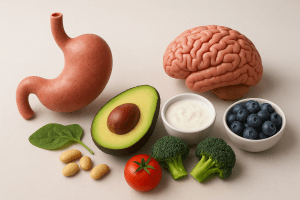
The gut-brain axis represents one of medicine’s most fascinating discoveries. Your digestive system contains more nerve cells than your spinal cord, earning it the nickname “second brain.” (The Brain-Gut Connection, n.d.) Imagine the fluttering sensation of butterflies in your stomach before a big presentation or the gnawing feeling when stressed. This extensive neural network allows your gut to communicate constantly with your brain through the vagus nerve, linking these sensations to both your mental and digestive health.
Here’s what makes this connection truly remarkable: 90% of your body’s serotonin, the neurotransmitter responsible for mood, happiness, and well-being, gets produced in your gut, not your brain. When gut inflammation disrupts this production, you might experience depression, anxiety, or mental fog that seems to come from nowhere.
Healing your gut can dramatically improve mental clarity, reduce stress responses, and enhance emotional stability. Many people report feeling like a mental fog has lifted once they restore their gut balance, experiencing sharper focus and more stable moods than they’ve had in years.
How Food Becomes Medicine for Your Gut.
Specific nutrients in gut healing foods act as powerful medicine for your microbiome. These foods contain compounds that selectively feed beneficial bacteria while starving harmful ones. Picture this: consuming a sugary soda can flood your gut with glucose, feeding harmful bacteria that thrive on sugar and potentially leading to imbalance and inflammation. In contrast, sipping on kefir introduces beneficial probiotics that enhance microbial diversity and fortify the intestinal lining. Unlike processed foods like sodas that disrupt bacterial balance, healing foods such as kefir promote a thriving ecosystem within your digestive tract, fostering resilience and improved gut health.
The key lies in understanding that beneficial bacteria thrive on fiber, healthy fats, and specific plant compounds, while pathogenic bacteria prefer sugar, artificial additives, and highly processed ingredients. By shifting your food choices, you literally change the population dynamics in your gut.
Being consistent is more important than being perfect when it comes to gut health. Adding gut-friendly foods to your meals every day adds up over time and slowly helps your gut get healthier. Change takes time, but each good choice makes a difference.
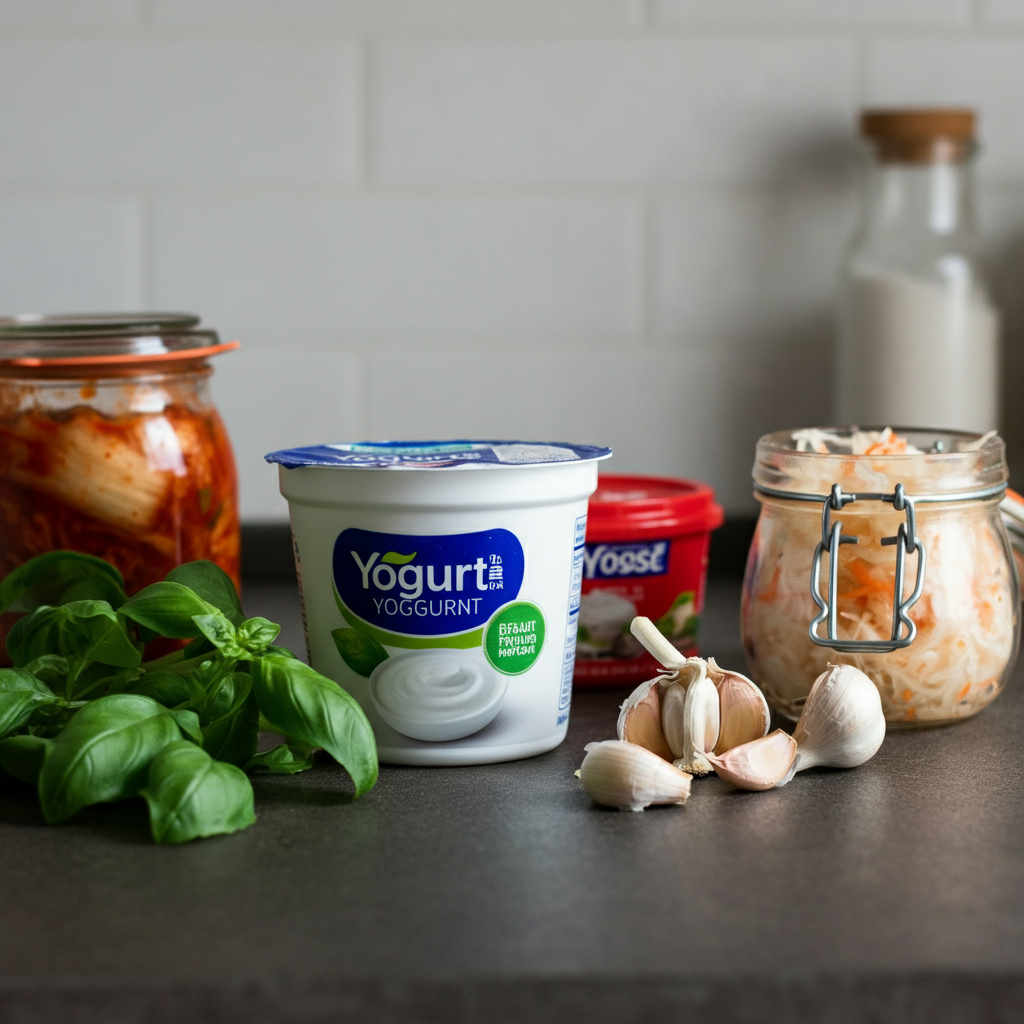
Top 10 Foods.
- Greek Yogurt: Your Daily Probiotic Powerhouse
Greek yogurt delivers live beneficial bacteria directly to your digestive system, particularly potent strains of Lactobacillus and Bifidobacterium. These probiotics help restore the balance between good and bad bacteria while strengthening your intestinal barrier against harmful pathogens. Research has shown that specific strains of Lactobacillus found in Greek yogurt, such as Lactobacillus acidophilus, can significantly reduce symptoms of irritable bowel syndrome (IBS) in many individuals. A randomized controlled trial involving 150 participants with IBS demonstrated a noticeable improvement in symptoms after daily consumption of Greek yogurt with Lactobacillus acidophilus over a 12-week period.
For optimal absorption, consume Greek yogurt on an empty stomach or between meals when stomach acid levels are lower. This timing helps more beneficial bacteria survive the journey to your intestines, where they can establish colonies and begin their healing work.
Start with half a cup daily and gradually increase to a full cup as your digestive system adapts. Mix with fresh berries, nuts, or a drizzle of honey to make it more enjoyable while adding prebiotic fiber that feeds your new bacterial allies.
- Kefir: The Fermented Superfood Your Gut Craves.
Kefir contains 30-60 strains of beneficial bacteria and yeasts, making it significantly more diverse than yogurt. This fermented milk drink provides a broader spectrum of probiotics that can address multiple aspects of gut dysfunction simultaneously.
The unique kefir grains used in traditional fermentation create a complex community of microorganisms that work synergistically. Unlike single-strain probiotic supplements, kefir delivers a complete ecosystem that mirrors the diversity your gut needs to function optimally.
Both dairy and non-dairy versions offer gut-healing benefits, though dairy kefir typically contains a more diverse array of bacterial strains. Coconut milk kefir and water kefir provide excellent alternatives for those avoiding dairy while still delivering substantial probiotic benefits.
Start with 2-4 ounces daily, gradually increasing to 6-8 ounces as your tolerance improves. The slightly tangy, effervescent flavour makes kefir perfect for smoothies, or you can drink it plain as a refreshing afternoon snack.
- Sauerkraut: Ancient Fermentation for Modern Gut Health.
Sauerkraut’s natural fermentation process creates beneficial bacteria while preserving the cabbage’s fibre, which feeds the good bacteria already in your system. This combination of probiotics and prebiotics makes sauerkraut a complete gut-healing food
The fermentation process also breaks down compounds in cabbage that can be difficult to digest, making nutrients more bioavailable. Additionally, sauerkraut supports your body’s natural detoxification pathways through compounds that help your liver process toxins more efficiently.
Choose unpasteurized sauerkraut from the refrigerated section, as pasteurization kills the beneficial bacteria. (Pasteurization involves heat-treating milk over a short period.) Brands that list only cabbage and salt in their ingredients typically offer the highest probiotic content and the most authentic fermentation benefits.
Start with 1-2 tablespoons daily with meals to aid digestion. The tangy, salty flavour pairs perfectly with grilled meats, adds crunch to sandwiches, or provides a probiotic boost to salads and grain bowls.
- Kimchi: Spicy Korean Medicine for Your Microbiome.
Kimchi contains unique bacterial strains specific to Korean fermentation traditions, offering diversity that complements other fermented foods in your diet. The combination of fermented vegetables, garlic, ginger, and chilli peppers creates a powerful anti-inflammatory and probiotic-rich food.
The spicy heat from chilli peppers contains capsaicin, which has been shown to support healthy gut motility and reduce inflammation in the digestive tract. Garlic and ginger add prebiotic compounds that feed beneficial bacteria while providing their own antimicrobial benefits.
The fibre content in kimchi provides substantial prebiotic fuel for your gut bacteria. This combination of probiotics from fermentation and prebiotics from fibre creates an ideal environment for beneficial bacteria to thrive and multiply.
If you’re sensitive to spicy foods, start with very small amounts (just a teaspoon) and gradually increase your tolerance. The complex flavours make kimchi an excellent addition to rice bowls and stir-fries, or a side dish with any meal.
- Garlic: Nature’s Prebiotic Powerhouse.
Garlic contains high concentrations of inulin, a powerful prebiotic fiber that specifically feeds beneficial Bifidobacterium in your gut. These good bacteria ferment inulin into short-chain fatty acids that reduce inflammation and strengthen your intestinal lining.
The compound allicin in garlic provides antimicrobial properties that help eliminate harmful bacteria, yeast, and parasites while leaving beneficial bacteria largely unharmed. This selective action helps restore proper bacterial balance without the harsh effects of antibiotics.
For maximum prebiotic benefit, crush or chop garlic and let it sit for 10-15 minutes before cooking. This process allows enzymes to convert alliin into the more potent allicin compound. Raw garlic provides the strongest prebiotic effects, though cooked garlic still offers substantial benefits. Aim for 1-2 cloves daily, either raw in dressings and dips or cooked into meals. If raw garlic causes stomach irritation, start with smaller amounts or try roasted garlic, which is gentler on sensitive digestive systems while still providing gut healing compounds.
- Onions: The Underestimated Gut Health Champion.
Onions contain exceptionally high levels of fructooligosaccharides (FOS), prebiotic compounds that specifically promote the growth of beneficial Bifidobacterium bacteria. These bacteria play crucial roles in immune function, nutrient synthesis, and maintaining the intestinal barrier.
Both raw and cooked onions provide prebiotic benefits, though raw onions contain higher concentrations of active compounds. However, cooking onions makes them easier to digest for people with sensitive stomachs while still delivering substantial gut healing benefits.
The quercetin in onions provides powerful anti-inflammatory effects that help heal gut lining damage. (Onion Health Research, 2023) This antioxidant compound works synergistically with prebiotic fibres to create an optimal environment for beneficial bacteria while reducing harmful inflammation. Start with small amounts if you’re sensitive to onions (perhaps a quarter of a small onion daily), and gradually increase as your digestive system adapts. Caramelized onions, onion powder, and green onions all provide gut-healing benefits in more tolerable forms.
- Green Bananas: The Resistant Starch Revolution.
Green bananas contain high amounts of resistant starch, a unique type of fiber that passes through your small intestine undigested, arriving intact in your colon, where beneficial bacteria ferment it into healing compounds. (Green Bananas: Good or Bad?, 2023)
This fermentation process produces butyrate, one of the most important short-chain fatty acids for colon health. Butyrate strengthens the intestinal lining, reduces inflammation, and provides energy directly to colon cells, promoting optimal digestive function. Ever wondered how much butyrate could rise after eating one green banana? Consider keeping a simple journal to track your response, noting your symptoms, energy levels, and any changes you observe. This might turn your diet into a science experiment, revealing how each food contributes to your gut health and letting you celebrate small progress as you go.
Resistant starch also helps stabilize blood sugar levels and promotes feelings of fullness, making green bananas excellent for weight management and gut healing. (How Bananas Affect Diabetes and Blood Sugar Levels, 2023) The prebiotic effects improve over time as beneficial bacteria populations increase.
Green bananas can be challenging to eat raw due to their starchy texture and astringent taste. Try slicing them into smoothies, baking them into chips, or cooking them like plantains. As bananas ripen and turn yellow, resistant starch converts to regular starch, so use them while they’re still green for maximum gut healing benefits.
- Ginger: Ancient Root for Modern Digestive Relief.
Ginger contains gingerol, a powerful compound that stimulates digestive enzymes and promotes healthy gastric motility. This helps food move efficiently through your digestive system, reducing bloating, gas, and the uncomfortable fullness that follows meals.
The anti-inflammatory properties of ginger help heal gut lining irritation while supporting the growth of beneficial bacteria. (Ginger: A gut health superfood?, 2017) Regular ginger consumption has been shown to reduce markers of gut inflammation and improve overall digestive comfort. Ginger also stimulates the production of digestive juices, including saliva, bile, and gastric secretions, which improve nutrient breakdown and absorption. This enhanced digestion means you get more nutritional value from every meal while reducing digestive stress.
Fresh ginger provides the most potent benefits; try grating it into smoothies, teas, or stir-fries. Start with small amounts (about half a teaspoon of fresh grated ginger daily) and increase gradually. Ginger tea, pickled ginger, and crystallized ginger all offer digestive benefits in more palatable forms.
- Oats: The Soluble Fibre Solution.
Oats contain beta-glucan, a special type of soluble fibre that forms a gel-like substance in your digestive tract. This gel helps slow digestion, stabilize blood sugar, and provides sustained fuel for beneficial gut bacteria throughout the day.
The prebiotic effects of oat fibre specifically promote the growth of beneficial bacteria while creating short-chain fatty acids that heal and protect your intestinal lining. Beta-glucan also helps lower cholesterol levels and supports heart health, in addition to its gut healing properties.
Steel-cut and rolled oats provide more beta-glucan than instant varieties, though all forms offer gut healing benefits. The fibre content helps you feel satisfied longer while providing steady energy that doesn’t spike blood sugar levels.
Prepare oats with warm water or plant milk, then top with gut-healing additions like berries, nuts, seeds, or a dollop of Greek yogurt. Overnight oats soaked in kefir provide an extra probiotic boost while making breakfast preparation effortless.
- Bone Broth: Liquid Gold for Gut Repair.
Bone broth is rich in collagen, glycine, and glutamine, which are amino acids that help repair and strengthen your gut lining. These nutrients help close the gaps between gut cells, thereby preventing unwanted substances from leaking into your bloodstream.
The long, slow cooking process breaks down connective tissue and bones, releasing gelatin that soothes inflammatory conditions in the digestive tract. This natural gelatin hlps restore the protective mucus lining your intestines.
Glutamine, abundant in quality bone broth, serves as the primary fuel source for intestinal cells. Regular consumption provides these cells with the energy they need to repair damage, regenerate quickly, and maintain a strong protective barrier. Choose bone broth made from grass-fed, organic bones, or make your own by simmering bones for 12-24 hours. Start with 4-6 ounces daily, either sipped warm between meals or used as a base for soups and stews. The rich, savoury flavour makes bone broth a comforting addition to any gut-healing protocol.
Gut Detox and Reset Strategies.
Adequate hydration amplifies the detoxifying effects of gut healing foods. Water helps flush toxins through your kidneys while supporting the mucus membranes that protect your digestive tract. Aim for at least half your body weight in ounces of pure water daily.
A simple 7-day gut reset involves incorporating 3-4 of these healing foods daily while eliminating processed foods, excess sugar, and artificial additives. This gentle approach allows your digestive system to recalibrate without the stress of extreme dietary restrictions.
Foods to Limit During Gut Healing.
Processed foods, refined sugars, and artificial additives actively feed harmful bacteria while depleting beneficial ones. These foods create inflammation in your gut lining and disrupt the delicate bacterial balance you’re working to restore.
Common inflammatory foods include refined grains, excess sugar, artificial sweeteners, processed meats, and foods high in omega-6 vegetable oils. These items don’t have to be eliminated forever, but reducing them significantly during your gut healing phase accelerates your progress.
Focus on crowding out problematic foods by filling your plate with gut-healing options rather than severely restricting yourself. This positive approach makes dietary changes more sustainable while naturally reducing your desire for inflammatory foods.
Lifestyle Habits That Amplify Gut Health.
Evidence-based stress reduction techniques like meditation, yoga, and deep breathing exercises help restore healthy communication between your gut and brain. Even 10-15 minutes of daily stress management can significantly impact your digestive health.
Quality sleep plays a crucial role in gut repair and regeneration. Your digestive system uses sleep hours to heal damage, produce protective compounds, and maintain bacterial balance. Aim for 6-8 hours of consistent, quality sleep to support your gut healing efforts.
Movement and Exercise for Digestive Health.
Regular physical activity promotes healthy gut motility, helping food move efficiently through your digestive system. Exercise also increases blood flow to digestive organs, supporting their optimal function and healing capacity.
Research shows that moderate exercise increases microbial diversity in the gut, particularly beneficial bacteria that support immune function and reduce inflammation. You don’t need intense workouts; walking, swimming, or gentle yoga provide substantial digestive benefits.
Specific exercises like twisting poses, gentle abdominal massage, and deep breathing can directly improve digestion and reduce bloating. These practices help activate your parasympathetic nervous system, which optimizes digestive function.
Building Long-Term Gut Health Habits.
Consistency matters far more than perfection when healing your gut. Focus on incorporating one or two gut healing foods initially, then gradually expand your repertoire as these become natural parts of your routine.
Meal planning and preparation make gut-healing foods more accessible during busy weeks. Batch-prepare fermented vegetables, make bone broth in large quantities, and keep frozen berries and oats on hand for quick, gut-friendly meals.
Most people begin noticing improvements in energy and digestion within 2-4 weeks of consistent dietary changes. However, significant gut healing typically requires 3-6 months of sustained effort. Trust the process and celebrate small improvements along the way.
Transform Your Health From the Inside Out.
These 10 gut healing foods offer a scientifically backed pathway to transform your digestive health and overall wellness. By nourishing your gut microbiome with the right nutrients, you’re addressing the root causes of many health challenges rather than simply masking symptoms.
Start your gut healing journey by choosing 1-2 foods from this list that appeal to you most. Greek yogurt and garlic might be easy starting points, or perhaps bone broth and ginger call to you. Gradually build your gut healing toolkit as these foods become natural parts of your daily routine.
Remember that your gut health influences everything from your energy levels and immune function to your mood and weight management. Small, consistent changes in your food choices create ripple effects throughout your entire body, leading to improvements you might never have connected to digestive health.
You can start improving your gut health with your next meal. Pick one gut healing food from this list and add it to your day. Your future self, with more energy, clearer thinking, and better health, will thank you for taking this first step.
Supplements can offer additional support for your gut health, particularly when your diet might lack certain crucial nutrients or when you’re targeting specific health concerns. While food provides the foundation for a healthy microbiome, supplements can complement these benefits by filling nutritional gaps and enhancing the body’s ability to heal. When experiencing persistent issues despite dietary changes or seeking faster results, incorporating carefully chosen supplements may be beneficial.
Ready to take your gut health to the next level? Explore our range of carefully formulated gut health supplements designed to support a balanced microbiome and amplify the benefits of these healing foods. Your transformation awaits.




One Response