Affiliate Disclosure: Some of the links in this post are affiliate links, which means I may earn a small commission if you make a purchase through those links. This comes at no extra cost to you. Thank you for your support!
Ever feel like your digestion is off, your energy is low, or you’re fighting cravings? The answer might be deep within your gut. Improving gut health is a powerful first step toward greater well-being, starting with healthy eating.
Modern life, with its stress, processed foods, and hectic schedules, can be tough on our digestive systems. This can disrupt the delicate balance of our gut microbiome, the trillions of bacteria living in our intestines. But the good news is that we have incredible power to restore this balance. As Registered Dietitian Michael Davis puts it, “Focusing on nourishing your gut is one of the most powerful investments you can make in your long-term health and well-being.”
In this guide, you’ll learn why a healthy and diverse gut microbiome matters, which foods to eat for optimal gut health and digestion, and how gut health connects to inflammation and weight loss. You’ll also find practical, beginner-friendly habits you can start using right away to support your gut.
Why Gut Health Matters More Than You Think.
Your gut is more than a tube for digesting food. It is a complex, intelligent ecosystem that hosts your gut microbiome. This is like a bustling city, teeming with trillions of microorganisms, including bacteria, fungi, and viruses. A key takeaway is that a diverse and balanced gut is crucial for both overall and digestive health.
Gastroenterologist Dr. Sarah Williams calls the gut “the epicenter of our overall health,” adding, “When it’s balanced, our bodies thrive; when it’s not, we see a cascade of problems.” The functions of your gut microbiome are vast and impact nearly every aspect of your health:
- Digestion and Nutrient Absorption: Good bacteria help break down food your body can’t digest on its own, like certain fibers, and unlock essential nutrients, ensuring bones stay strong and energy levels remain high.
- Immune System Regulation: Nearly 70% of your immune system resides in your gut. A healthy microbiome helps train your immune cells to fight off pathogens while preventing overreactions that lead to inflammation.
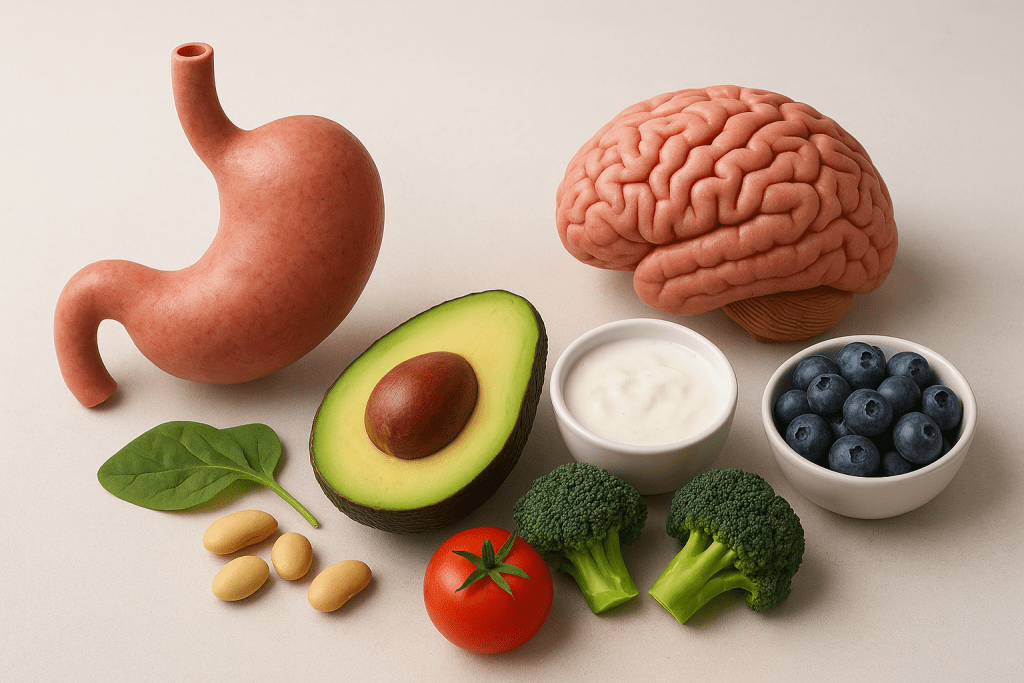
- Mood and Mental Health: The “gut-brain axis” is a direct communication line between your gut and your brain. Your gut bacteria produce neurotransmitters like serotonin and dopamine, which play a big role in regulating your mood.
- Metabolism and Weight Control: The gut microbiome influences how your body stores fat, balances blood sugar, and responds to the hormones that control hunger and fullness.
When this delicate ecosystem is thrown out of balance, a condition known as dysbiosis, it can lead to a host of issues. Common signs include bloating, gas, constipation, and gut inflammation. Dysbiosis is also increasingly linked to intense food cravings, mood swings, gut-brain axis dysfunction, and difficulty with weight loss. A 2024 review in Nature Reviews Gastroenterology & Hepatology confirmed that greater gut microbial diversity is strongly associated with improved metabolic health and more effective weight management, reinforcing the importance of nurturing our internal ecosystem by supporting the gut microbiome.
The Science Behind Gut Healthy Eating.
So, how do we cultivate a thriving gut microbiome? The answer lies in what we feed it. Startling as it may seem, something as simple as slightly green bananas can provide powerful benefits. The science of gut healing foods and healthy gut eating revolves around three key components: prebiotics, probiotics, and postbiotics. Key takeaway: What you eat determines the health of your gut microbiome.
Prebiotics: The Fuel.
Prebiotics are specific types of dietary fiber that your body can’t digest. Instead, they travel to your colon, where they act as fuel for your beneficial gut bacteria. By feeding these good microbes, you help them grow and multiply, strengthening your gut barrier and improving overall gut health. Think of prebiotics as fertilizer for your internal garden.
Excellent sources of prebiotic foods include:
- Garlic, onions, and leeks
- Oats and barley
- Bananas (especially when slightly green)
- Asparagus
- Apples
- Flaxseeds
Probiotics: The Reinforcements for Gut Health.
Probiotics are the “good guys” themselves, live beneficial bacteria that you can introduce into your system through certain foods and supplements. Consuming probiotic foods helps reinforce the population of healthy microbes in your gut, which can be especially helpful after a course of antibiotics or a period of poor diet. They help maintain balance and crowd out harmful bacteria.
Excellent sources of probiotic foods include:
- Yogurt with live and active cultures
- Kefir (a fermented milk drink)
- Sauerkraut (unpasteurized)
- Kimchi (a spicy fermented cabbage)
- Miso
- Tempeh
- Kombucha
Postbiotics: The Beneficial Byproducts.
Postbiotics are the “magic” compounds produced when your good gut bacteria feast on prebiotics. These substances include short-chain fatty acids (like butyrate), enzymes, and other beneficial molecules. They play a vital role in strengthening the gut lining, reducing inflammation, and supporting your immune system. While this is an emerging area of research, it’s clear that you don’t need to consume postbiotics directly. If you get enough prebiotics and probiotics, your gut will handle the production for you. You can also support this process by eating polyphenol-rich foods like berries, dark chocolate, and green tea, which beneficial bacteria love.

Signs Your Gut May Be Out of Balance.
Are you wondering if your gut needs a little more love? An imbalanced gut microbiome can manifest in ways that go far beyond your stomach. Here’s a quick self-check to see if you might be experiencing symptoms of dysbiosis. It’s important to note that individual symptoms and reactions to food can vary widely. For persistent issues or if you’re unsure about changes in your gut health, consulting with a healthcare professional is encouraged to receive personalized advice.
Gut Self-Check: How many of these sound familiar?
- Digestive Discomfort: Frequent bloating, gas, constipation, diarrhea, or heartburn.
- Unexplained Fatigue: Feeling tired all the time, even after a full night’s sleep.
- Sugar Cravings: An intense, persistent desire for sugary foods, which can feed unhealthy gut bacteria.
- Mood Swings: Feelings of anxiety, depression, or irritability linked to the gut-brain axis.
- Skin Issues: Conditions like acne, eczema, or rosacea can sometimes be triggered by gut inflammation.
- Frequent Illnesses: A weak immune system, signaled by catching colds often.
- Difficulty Losing Weight: Struggling with weight loss despite diet and exercise efforts.
If you checked off several of these, it may be a sign that your gut microbiome and digestive system are calling for help. The good news is that simple changes, like adding more gut healing foods, probiotics, and prebiotics, can make a world of difference for your gut health. Some people also explore reputable probiotic supplements for additional support, such as LeanBiome.
Top Gut Healthy Foods to Eat Daily.
Breakfast add-ins:
Greek Yogurt or Kefir: Loaded with beneficial probiotics to reinforce your gut bacteria.
Oats: An excellent source of prebiotic fiber, particularly beta-glucan, which promotes the growth of good bacteria.- Berries: High in fiber and antioxidant polyphenols, which act as food for good bacteria.
Snack options:
Chia Seeds & Flaxseeds: Rich in prebiotic fiber and omega-3 fatty acids that help reduce inflammation.
Bananas: A convenient source of prebiotic fiber, especially when they’re not overly ripe.
Green Tea: Contains polyphenols that can encourage the growth of beneficial bacteria.
Dinner add-ins:
Garlic & Onions: These kitchen staples are rich in prebiotics that nourish your microbiome.
Leafy Greens: Spinach, kale, and other greens are rich in fiber and nutrients that support a healthy gut.
Kimchi or Sauerkraut: Fermented foods that deliver a powerful dose of probiotics.
Lentils and Beans: Packed with fiber to promote healthy digestion and feed your gut microbes.

For a deeper dive into these powerful gut-healing foods and their impact on the gut microbiome, check out our previous post on the 10 Best Foods to Improve Gut Health.
Foods That Can Disrupt Gut Health.
Just as some gut healing foods nurture your gut, others can disrupt its delicate balance. This isn’t about labelling foods as “good” or “bad” but about understanding how certain foods can affect your gut microbiome and digestive health, especially when consumed in excess.
- Highly Processed Foods: These often contain additives, emulsifiers, and preservatives that can irritate the gut lining and decrease microbial diversity.
- Excessive Sugar and Artificial Sweeteners: Sugar feeds the less desirable bacteria and yeast in your gut, allowing them to overgrow. Some artificial sweeteners, such as aspartame and sucralose, have also been shown to negatively alter the gut microbiome and the gut-brain axis.
- Unhealthy Fats: Diets high in saturated and trans fats (found in fried foods and many baked goods) can promote the growth of inflammatory gut bacteria.
How Gut Health Impacts Weight Loss.
If you’ve been struggling to lose weight, your gut might be the missing piece of the puzzle. The connection between the gut microbiome and weight loss is a major focus of modern health research. A balanced gut supports weight loss in several key ways:
- Improves Metabolic Function: A diverse microbiome helps your body regulate blood sugar and use energy more efficiently, which is crucial for preventing fat storage.
- Regulates Hunger Hormones: Your gut bacteria influence the production of hormones like ghrelin (which signals hunger) and leptin (which signals fullness). A balanced gut can help you feel full longer and reduce cravings.
- Reduces Inflammation: Chronic inflammation is often linked to obesity and metabolic disease. A healthy gut reduces inflammation throughout the body, creating an environment that is more conducive to weight loss.
Focusing on improving gut health for weight loss shifts the goal from short-term dieting to building a sustainable foundation for long-term health. When your gut microbiome is balanced, your body is better equipped to reach and maintain a healthy weight, reduce inflammation, and support optimal digestion.
How to Start a Gut Healthy Meal Plan Today.
Starting a gut healthy meal plan is easier than you think, even for beginners. You don’t need a complete overhaul overnight. As Nutrition Specialist Emily Carter notes, “The beauty of gut health is that even small, consistent changes in diet can yield remarkable results for your gut microbiome and overall digestive health.”
Start Small.
Instead of changing everything at once, focus on adding one gut healing food to each meal. For example, add berries to your breakfast, a handful of leafy greens to your lunch, and a side of steamed asparagus with dinner.
Hydrate Wisely.
Staying hydrated is essential for healthy digestion and electrolyte balance. Water helps break down food, transport nutrients, and maintain the proper environment for your digestive system to function. Aim to drink enough water and consider incorporating electrolyte-rich beverages. Herbal teas like peppermint or lemon can also soothe the gut.
Be Mindful.
The digestive process begins before food even reaches your stomach. Take the time to chew your food thoroughly. This breaks it down into smaller, more manageable pieces and signals your body to produce the enzymes needed for optimal digestion and nutrient absorption.
1-Day Gut Friendly Sample Meal Plan.
| Meal | Food & Drink | Gut Benefit |
| Breakfast | Oatmeal with berries, a spoonful of Greek yogurt & chia seeds | Prebiotics (oats), Probiotics (yogurt), Fiber |
| Lunch | Large salad with leafy greens, lentils, and a side of kimchi | Prebiotics, Fiber, Probiotics (kimchi) |
| Dinner | Grilled chicken or fish with roasted vegetables (onion/garlic) | Protein, Prebiotics (onion, garlic) |
| Snacks | A banana with a sprinkle of flaxseeds | Prebiotics, Fiber, Healthy Fats |
Beyond Food: Other Ways to Support Your Gut.
While diet is the cornerstone of gut health and a balanced gut microbiome, other lifestyle factors play a supporting role in reducing gut inflammation and improving the gut-brain connection.
- Stress Reduction: Chronic stress negatively impacts the gut-brain axis. Practices like meditation, deep breathing, or yoga can help calm both your mind and your gut. Notice a calmer belly gurgle within minutes of deep breathing exercises or yoga poses.
- Consistent Sleep: Your body performs vital repair work while you sleep, including healing the gut lining. Aim for 6–8 hours of quality sleep per night.
- Mindful Movement: Regular, moderate exercise, such as walking or cycling, helps stimulate gut motility and promote healthy digestion.
Your Path to a Healthier Gut.
Taking charge of your gut health is one of the most effective ways to boost your energy, improve your mood through the gut-brain axis, and support sustainable weight loss. It all begins with simple, intentional choices. By focusing on healthy eating with a variety of gut healing foods, you provide your gut microbiome with the fuel it needs to thrive.
Don’t feel overwhelmed by the need to be perfect. Your journey to a healthier gut is a marathon, not a sprint. The most crucial step is the one you take today. So, pick one tip from this guide, whether it’s trying a new probiotic or prebiotic food, adding more fiber to your diet, or simply chewing your food more slowly, and implement it this week. Your gut and microbiome will thank you for it.